How to Use Modern Biomechanics Gym Equipment Safely: A Visual Walkthrough for Sharks Gym Members
A practical guide to what biomechanics gym equipment does, why it protects joints and improves form, and step‑by‑step safety cues for using common machines (leg press, chest press, cable systems) at Sharks Gym, with advice on when to ask a trainer for help.
What is biomechanics equipment and why it matters
Biomechanics equipment refers to machines and systems designed to guide movement along controlled paths, distribute load safely, and provide consistent resistance so users can focus on correct joint alignment and muscle activation. At gyms with modern, well‑maintained equipment like Sharks Gym, these machines make it easier for beginners and experienced lifters alike to train with better form, reduce compensatory movements, and lower the risk of acute strain when used correctly.
Benefits for joints, posture and form
Because biomechanics machines constrain motion to safe trajectories and often support the spine or limbs, they reduce shear forces on joints and help you learn the ideal range of motion. That makes them especially useful for people recovering from minor aches or who are building foundational strength. Members report that knowledgeable trainers and a clean, well‑equipped environment at Sharks Gym support steady, safe progress when machines are used as intended.
Before you begin: basic safety checks and warm‑up
Start every session with a brief dynamic warm‑up (5–10 minutes) to raise body temperature and prepare joints. Inspect the machine for obvious damage, ensure moving parts are unobstructed, and confirm pins, cables, and weight stacks are properly seated. Adjust seat height, back pads and ankle/foot supports so your joints sit in neutral alignment. If anything looks worn or unstable, stop and notify staff—trainers and floor staff at Sharks Gym are available to assist with equipment checks.
Leg press: setup, common mistakes and safety cues
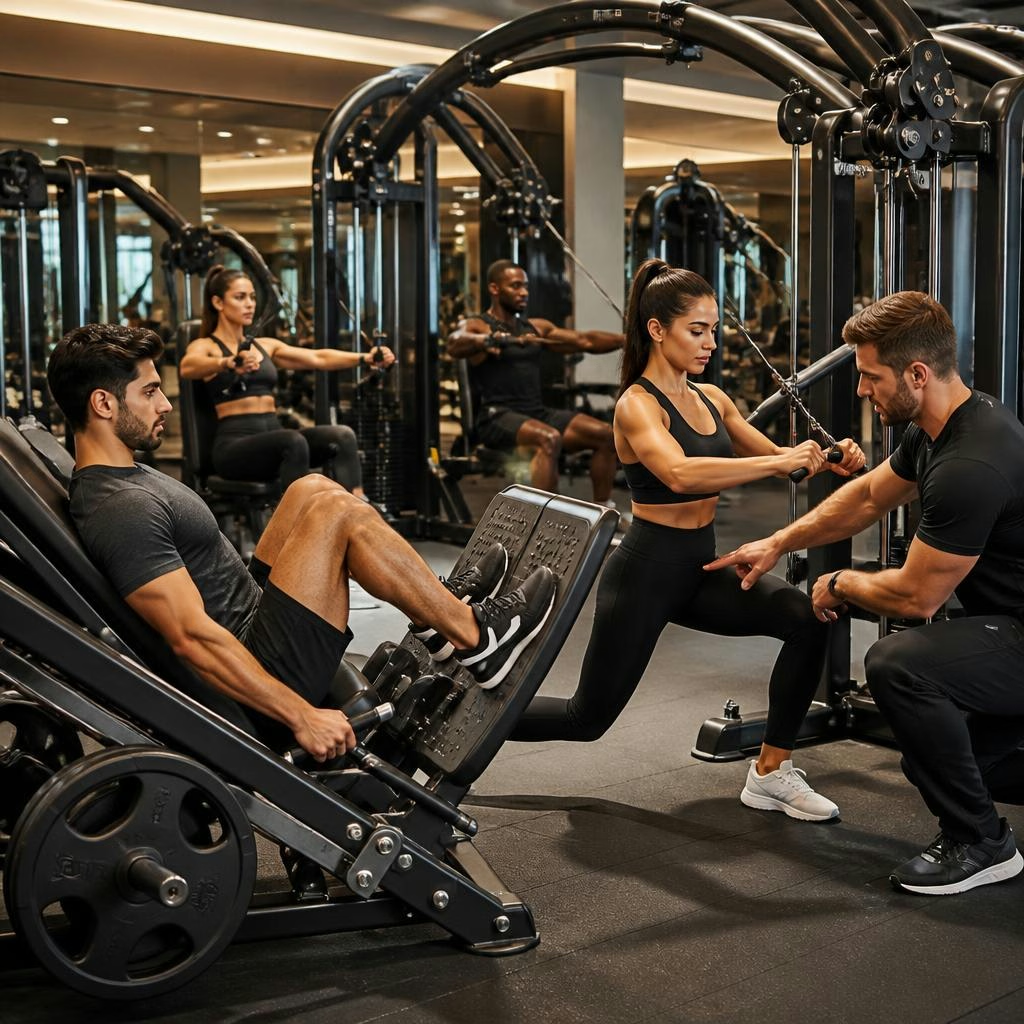
Set the seat so your knees start at about a 90° angle when your feet are on the platform. Place feet shoulder‑width apart; toes slightly outward can help track the knees safely. Drive through the heels and stop short of full knee lockout to keep tension on the muscles and protect the joint. Common errors include letting the lower back round, bringing feet too high or too low on the platform, or using momentum. Use a controlled tempo (two seconds down, one second up), and reduce weight if your back or knees feel unstable. Ask a trainer for a one‑on‑one demo the first few times or whenever you change foot position or load.
Chest press: alignment, grip and scapular control
Adjust the seat so the handles align with mid‑chest. Use a grip that allows the wrists to stay neutral and the elbows to track at roughly 45–75° from the torso—excessive flaring can stress the shoulders. Keep shoulder blades gently retracted and avoid allowing the chest to cave; this stabilizes the shoulder joint during pressing. Press with a smooth, controlled motion and avoid locking the elbows forcefully at the top. If you feel pain in the front of the shoulder, stop and consult a trainer for a grip or seat adjustment.
Cable systems: versatility with an emphasis on control
Cable machines allow constant tension through a full range and are ideal for unilateral work, core engagement and functional movement patterns. Select an attachment and set the pulley height to match the intended line of pull. Maintain a stable torso—brace your core—and move deliberately; avoid jerking the weight or using momentum. Cables are excellent for practicing controlled movement patterns, but misaligned posture or excessive load can simply transfer strain elsewhere. Trainers at Sharks Gym can suggest appropriate progressions and attachment choices for your goals.
General machine safety cues to follow every time
Across machines, follow these consistent safety rules: progress gradually, increase load in small increments, and always prioritize controlled tempo over heavy, uncontrolled repetitions. Breathe—exhale through the effort phase and inhale on the return. Stop if you feel sharp joint pain, sudden instability, dizziness or unusual numbness. Report out‑of‑order equipment or odd noises to staff immediately. Stay hydrated between sets; Sharks Gym’s facilities and staff are noted by members for maintaining a clean, supportive training environment that helps you focus on safe technique.
When to ask a trainer and how they can help
Ask a trainer for help when you’re using a machine for the first time, when you’re increasing weight substantially, or if you have pre‑existing aches (for example, lower‑back concerns) that affect your form. Trainers at Sharks Gym can demonstrate setup, observe your movement, recommend seat and handle positions, suggest alternative machines or exercises, and design progressions to reduce joint stress. Before a session, tell the trainer about any pain, prior injuries or mobility limits so they can tailor instruction. A short coached session early in your membership is a reliable way to build confidence and avoid common mistakes.
Article by
Sharks Gym
A modern and well equipped gym with Best biomechanics Equpiments facilitated with physical trainers. Hygienic environment with focus on overall fitness and health.